
Breaking the Cycle of Chronic Low Back Tightness: Tips and Techniques
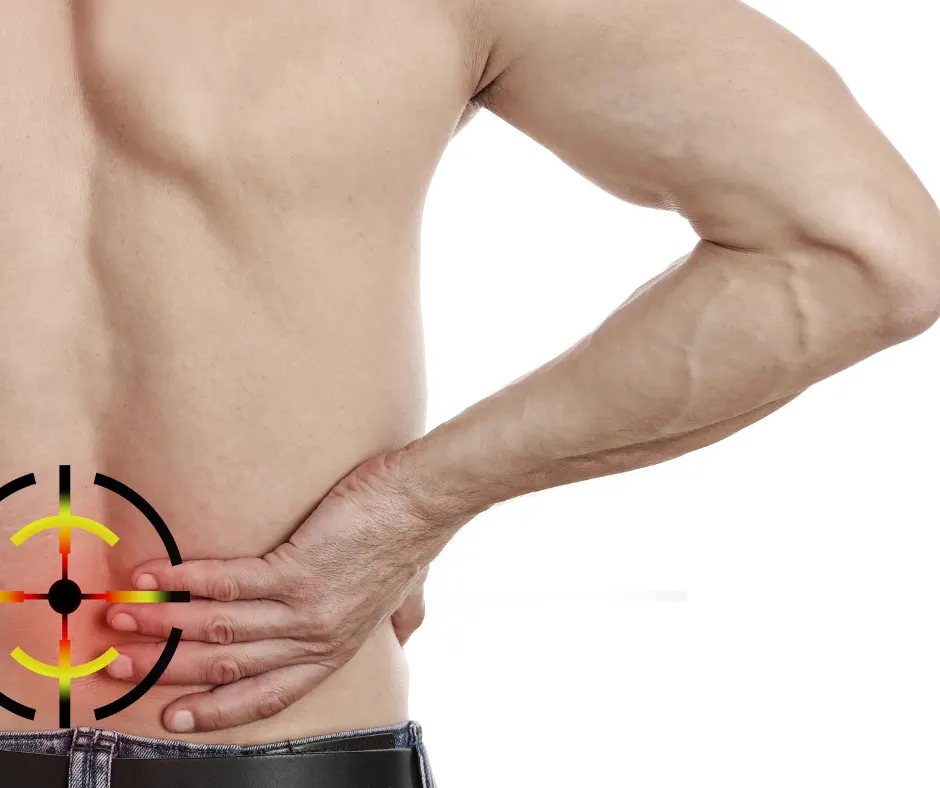
Do you suffer from chronic low back tightness? Tight hamstrings? Inflammation? A stiff back? If so, you're not alone. This common condition can be caused by a variety of factors and can severely impact your quality of life. Fortunately, there are tips and techniques available to help manage this discomfort and improve your overall well-being. In this blog post, we'll explore the causes of low back tightness and provide actionable strategies for breaking the cycle of pain.
Understanding Low Back Tightness
Low back tightness can be caused by a variety of factors, including poor posture, muscle imbalances, and herniated discs. To alleviate low back tightness, try doing exercises that target the muscles in your lower back for just 30 seconds at a time. Regular practice of these exercises can help you work toward breaking the cycle of chronic low back tightness.
Regular exercises targeting lower back muscles, done for just 30 seconds at a time, may help with low back tightness.
Ignoring low back tightness can lead to more serious consequences such as decreased mobility and chronic pain. By understanding the causes and symptoms of low back tightness, you can take proactive steps to address it before it becomes a bigger problem.
Causes of Low Back Tightness
Poor posture, muscle imbalances, and injuries or trauma to the lower back are among the primary causes of low back tightness. Poor posture can lead to muscle strain as well as spinal misalignment, which further exacerbates tightness. Muscle imbalances that occur due to overuse or underuse of certain muscles can also contribute to chronic low back tightness.
Injuries or trauma such as a herniated disc can cause localized pain and stiffness while limiting mobility for days or even weeks. To alleviate symptoms of low back tightness caused by these factors, exercises targeting specific areas should be incorporated into daily routines. Just 30 seconds per day dedicated to activating the muscle and then strengthening it in that newfound range could make all the difference in breaking the cycle of chronic low back tightness.
Symptoms of Low Back Tightness
Aching or stiffness in the lower back region is one of the most common symptoms of low back tightness. This often occurs due to prolonged sitting or standing, which puts a lot of stress on your lower spine muscles. Limited range of motion and flexibility are also common signs that you may be experiencing low back tightness. In some cases, this can lead to pain that radiates down into the hips, legs, or feet.
To alleviate these symptoms, exercises such as activating and strengthening can help improve flexibility and reduce muscle tension. Additionally, taking breaks every 30 seconds while sitting for long periods can help prevent further strain on your lower back muscles. However, it's important to note that chronic low back tightness could be caused by more serious conditions such as a herniated disc. If you are experiencing persistent discomfort in your lower back region despite trying various at-home remedies; consulting with a medical professional would be advisable for proper diagnosis and treatment.
Consequences of Ignoring Low Back Tightness
Ignoring low back tightness can have serious consequences. Increased risk for further injury or chronic pain is one of them, as the muscles surrounding the spine may become weak and more prone to damage. This can lead to a "guarding" behavior where muscles tense up in response to perceived threats, causing even more muscle tension and tightness.
Overcompensation is another consequence of ignoring low back tightness. When one area becomes weakened, other muscles will compensate leading to even more problems. Performing simple exercises like stretching or holding a position for 30 seconds can alleviate these issues before they become chronic. In some cases, ignoring low back tightness may also result in a herniated disc - an extremely painful condition that requires immediate medical attention.
Tips for Managing Low Back Tightness
To manage chronic low back tightness, it's important to start with activating and strengthening exercises that target the muscles surrounding the lower back. Incorporating yoga and Pilates into your routine can also help improve flexibility in these areas.
Improving posture is crucial for relieving pressure on the lower back. Focus on sitting up straight, keeping your shoulders relaxed, and pulling in your abdominal muscles throughout the day. Consider investing in a supportive chair or using a lumbar roll to maintain proper alignment.
Proper lifting techniques are essential for preventing further strain on your lower back muscles. Always lift from a squatting position while keeping objects close to your body and avoid twisting or bending at the waist. Lastly, incorporate movement throughout each day by taking frequent breaks to stretch, go for walks, or change positions frequently if you sit at a desk all day long
Improving Posture
Adjusting your workspace ergonomics is essential to improving posture, which can alleviate chronic low back tightness. Proper chair height and computer screen position are crucial factors in maintaining good posture habits. Additionally, using a lumbar pillow or rolled-up towel for support when sitting for long periods can greatly reduce stress on the lower back.
To improve your posture, try practicing good habits such as sitting up straight with your shoulders relaxed and avoiding slouching or crossing your legs while seated. Here are some tips to keep in mind:
- Keep both feet flat on the ground
- Place hands at a comfortable height when typing
- Adjust chair height so that thighs are parallel to the floor
- Position computer screens at eye level
By implementing these small adjustments into your daily routine, you may notice significant improvements in both your posture and low back tightness over time.
Proper Lifting Techniques
Bending at the knees instead of from your waist when lifting heavy objects can help prevent low back tightness. This technique helps distribute the weight to your legs, which are stronger and better equipped for heavier loads. Holding objects close to your body rather than stretching out your arms also reduces strain on the lower back by keeping the load centered.
Engaging core muscles during lifting activities is crucial in reducing strain on the lower back as well. This stabilization helps protect against muscle imbalances that lead to chronic tightness. Proper form and technique are key components in preventing low back pain and promoting overall spine health.
- Bend at your knees, not your waist
- Keep items close to your body
- Engage core muscles while lifting
Incorporating Movement Throughout the Day
Taking frequent breaks throughout the workday to move around and stretch muscles can help alleviate chronic low back tightness. Simple movements like stretching, walking, or even standing up from your desk can improve circulation and give your muscles a chance to relax.
For those with a little more time during their lunch break or other breaks in routine, consider incorporating low-impact aerobic exercise like swimming, biking, or walking into your daily routine. These activities not only provide physical benefits but also mental clarity and stress relief.
By moving throughout the day a priority, you can reduce chronic low back tightness while improving overall health and well-being.
Muscle Activation Technique (MAT) for Low Back Tightness
Muscle Activation Technique (MAT) is an approach used for chronic low back tightness. The technique involves identifying and correcting muscle imbalances, which can cause pain and discomfort in the lower back region. By activating specific muscles, MAT is designed to support mobility in the area.
Finding a qualified MAT practitioner is essential for effective treatment of low back tightness. They will be able to assess your individual needs and create a personalized plan that targets your specific issues. With regular MAT sessions, you may experience significant relief from chronic low back tightness and break free from the cycle of pain and discomfort.
What is Muscle Activation Technique (MAT)?
Understanding the basics of MAT is crucial in appreciating its impact on muscle function. Unlike traditional stretching, which aims to lengthen muscles, MAT focuses on identifying and correcting muscle imbalances that may cause pain or weakness. By activating weak muscles, MAT can help improve joint stability and reduce the risk of injury.
MAT's focus on muscle function is long term. Over time, regular sessions with a qualified practitioner aim to restore normal movement patterns, which is why some people use it as an ongoing part of managing low back tightness.
How Can Muscle Activation Technique Help with Low Back Tightness?
Muscle weakness is often correlated with low back tightness, making it difficult to alleviate through traditional methods such as stretching. Muscle Activation Technique (MAT) offers a non-invasive approach that focuses on identifying and correcting muscle imbalances in the body. By activating weak muscles and restoring proper function, MAT can effectively treat chronic low back pain.
Many people turn to MAT when stretching alone hasn't been enough. By addressing the root cause of the problem instead of simply treating the symptom, MAT aims to be part of a long-term plan for those dealing with chronic low back tightness. Individual results vary.
Finding a Qualified Muscle Activation Technique Practitioner
When seeking a qualified Muscle Activation Technique (MAT) practitioner to help alleviate chronic low back tightness, there are several factors to consider. First and foremost, ensure that the practitioner has received proper certification and training in MAT. This will ensure that they have the necessary knowledge and skills to provide safe and effective treatment.
It is also important to watch out for certain "red flags" when selecting an MAT practitioner. Be wary of practitioners who make unrealistic claims or promises regarding treatment outcomes, as well as those who lack professional credentials or a track record of successful treatments. By taking these precautions and doing your research, you can find a qualified MAT practitioner who can help you break the cycle of chronic low back tightness.
Conclusion
In summary, reducing low back tightness requires taking proactive steps such as stretching exercises, maintaining proper posture, and adopting a healthier lifestyle. However, if the problem persists despite these efforts, seeking medical advice is crucial to prevent further complications.
It's important to acknowledge that living a healthy lifestyle can play a pivotal role in preventing chronic low back tightness. This includes regular exercise, maintaining a healthy weight, and avoiding prolonged periods of sitting or standing. By implementing these changes in your daily routine, you can break the cycle of chronic low back tightness and enjoy an active life with no discomfort.
Individual results vary. This article is for educational purposes and is not medical advice. Talk with a qualified medical professional about your specific situation.